
When selecting hardwood flooring for your home, one of the first decisions you’ll face is choosing between prefinished and unfinished options. Both have their advantages, and the best choice depends on your project’s specific requirements, timeline, and aesthetic goals. This guide will help you weigh the pros and cons of each option to make the right decision for your home.
Choosing a Hardwood Floor That Meets Your Needs
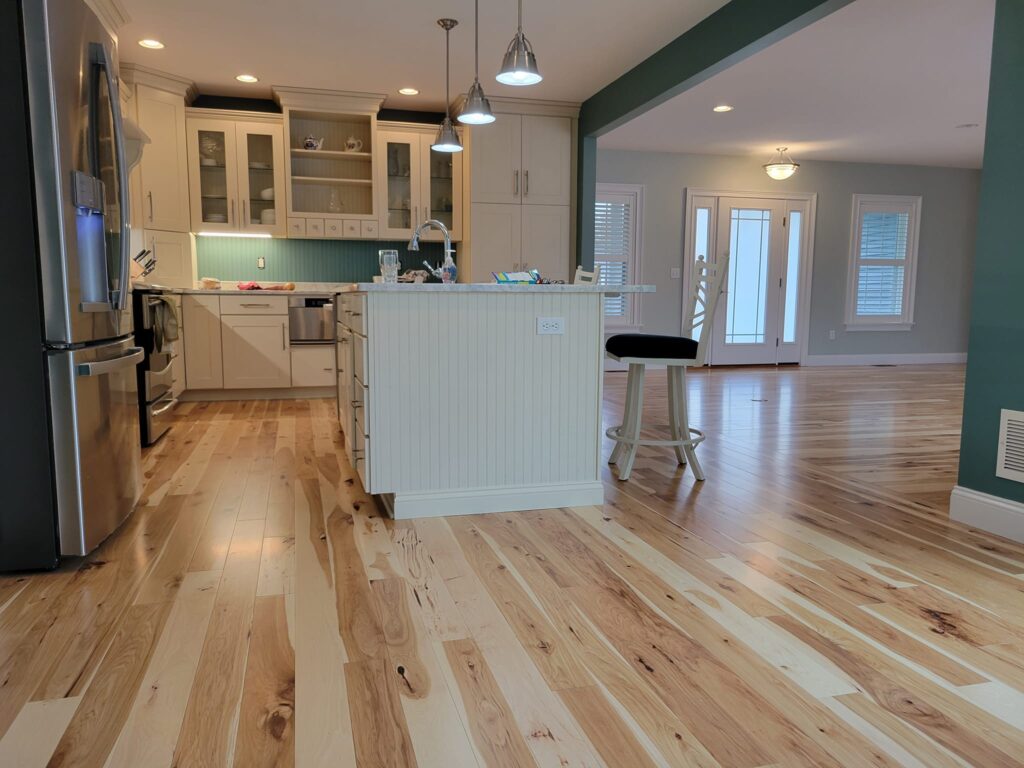
Hickory Character Prefinished Natural @Enfield Carpet & Flooring
Consider Your Timeline
If you’re looking to install your flooring quickly, prefinished hardwood is an excellent choice. These floors come with a factory-applied finish, so there’s no need for sanding, staining, or sealing on-site. You can often walk on prefinished floors the same day they’re installed.
On the other hand, unfinished flooring requires additional time. After installation, the wood must be sanded, stained, and sealed, which can take several days. However, the extra time can be worth it if you have a specific finish or color in mind.
Think About Customization
Unfinished hardwood flooring offers unmatched customization. You can choose the exact stain color and finish that complements your home’s design. It’s also ideal for matching existing flooring or creating a unique look.
Prefinished flooring, while more limited in customization, is available in a wide range of colors, textures, and finishes. Modern prefinished options often mimic the look of custom finishes, giving you flexibility without the extended timeline.
Assess Durability and Maintenance
Prefinished floors are treated with durable, factory-applied finishes that are typically more resistant to scratches and wear than site-applied finishes. These finishes also tend to be more uniform and consistent.
Unfinished flooring allows for a seamless surface once installed, as it’s sanded flat on-site. This can be beneficial for kitchens or other areas where spills are common, as the lack of beveled edges reduces crevices where dirt and moisture can collect. However, site-applied finishes may not be as durable as factory finishes and might require refinishing sooner.
Factor in Cost
While prefinished hardwood flooring can sometimes cost more upfront, it may save money in the long run due to reduced labor and finishing costs. Unfinished flooring might have a lower initial material cost, but the added expenses of sanding, staining, and sealing can add up.
Evaluate Aesthetic Preferences
If you’re aiming for a seamless, uniform look, unfinished flooring is the way to go. It allows for custom staining and a perfectly smooth surface post-installation.
Prefinished flooring, by contrast, offers a more convenient solution without sacrificing style. Advances in manufacturing mean you can find prefinished options that emulate the look of custom floors, including trendy matte finishes or wire-brushed textures.
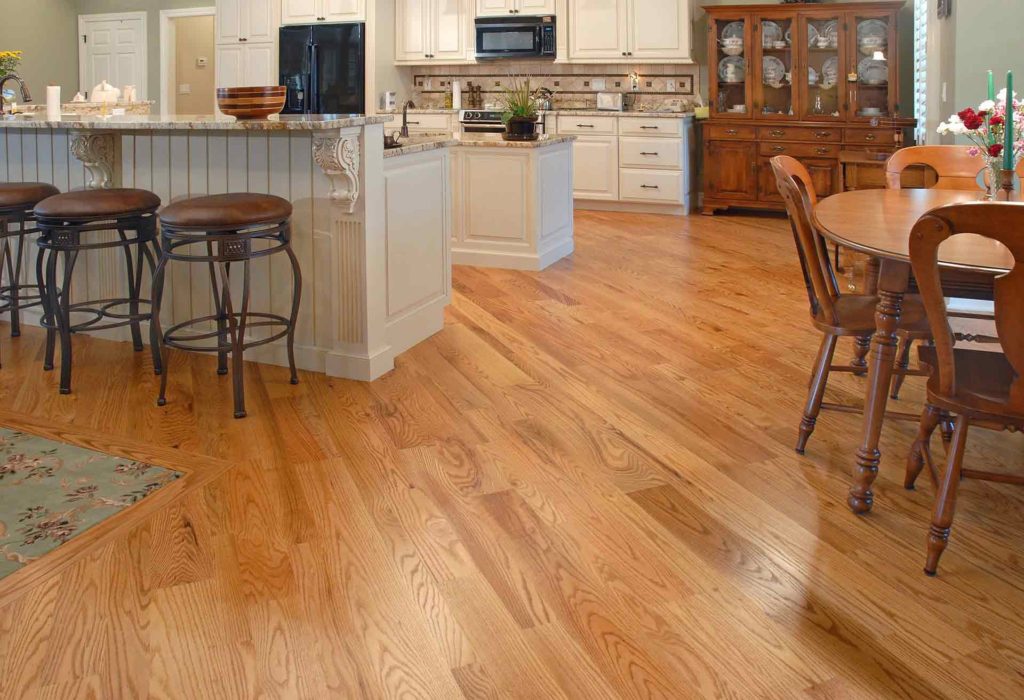
Prefinished American Oak, Natural, Clear
Additional Tips for Homeowners
- Test Samples: Whether you choose prefinished or unfinished, always test samples in your home’s lighting to ensure you love the look.
- Consider Future Refinishing: Prefinished floors with thicker wear layers can be refinished multiple times, extending their lifespan.
- Plan for Dust and Odors: Unfinished flooring installation involves sanding and sealing, which can create dust and strong odors. Plan accordingly if you’ll be living in the home during installation.
By carefully considering your timeline, design preferences, and practical needs, you can confidently choose between prefinished and unfinished hardwood flooring. Each option has its strengths, and the right choice will depend on what matters most to you.
Check out our flooring options and contact us for any questions!