
Making the Right Choice with Sheoga Hardwood Flooring
Navigating the decision between Sheoga’s engineered hardwood flooring and solid hardwood flooring is pivotal in elevating the aesthetic and value of your living space. Sheoga offers both options, each boasting unique advantages and considerations. This post delves into a comparative analysis of the two, aiding you in making an informed decision that aligns with your specific needs and preferences. Explore the distinctive attributes of each flooring type to identify the perfect fit for your home.
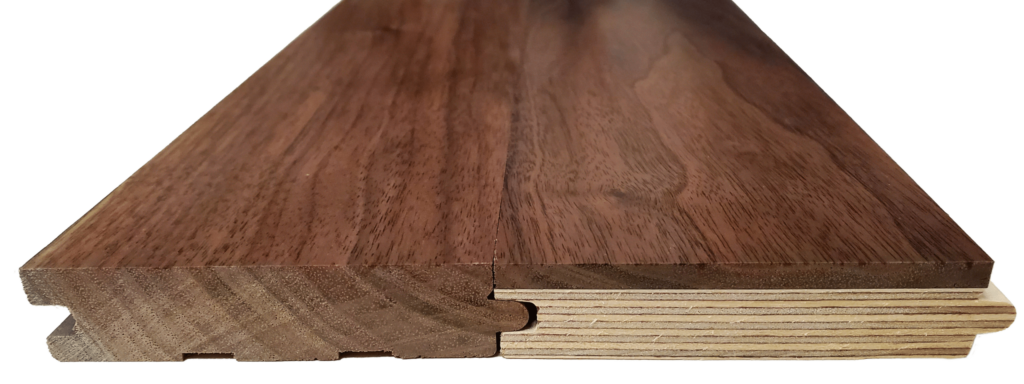
Construction and Stability: Engineered hardwood flooring is crafted from multiple layers, featuring a top layer of genuine hardwood and a core composed of plywood. This construction imparts heightened stability and resilience against moisture and temperature fluctuations. This makes it well-suited for diverse environments, including basements and areas with elevated humidity levels. On the contrary, solid hardwood flooring is hewn from a single solid piece of wood, exuding a timeless and authentic aesthetic. While it may be more susceptible to moisture and temperature changes, its redeeming quality lies in the ability to be refinished multiple times, ensuring long-term durability.
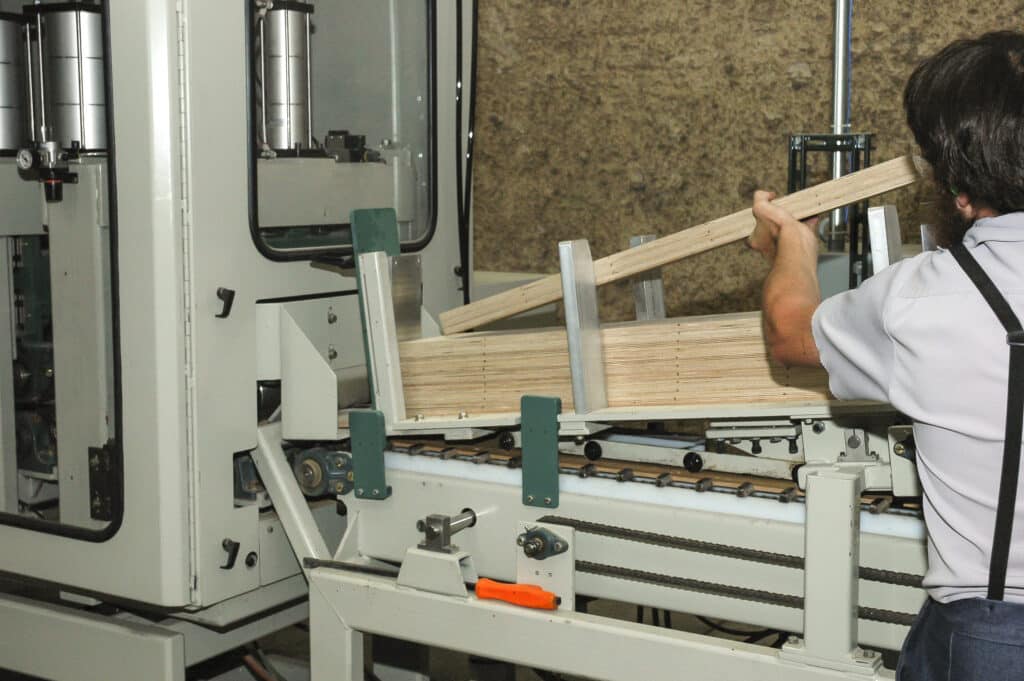
Durability and Longevity: Sheoga’s engineered and solid hardwood flooring both uphold a reputation for durability. Engineered hardwood, owing to its stable construction, exhibits exceptional resistance to warping, cupping, and expansion, making it ideal for high-traffic areas and regions with varying humidity levels. Solid hardwood, with its dense and solid composition, proves highly durable and capable of withstanding heavy foot traffic. With proper maintenance and periodic refinishing, both options can endure for generations, retaining their innate beauty and allure. Our engineered flooring can also be refinished as the hardwood flooring layer is 5.25mm thick.
Installation Flexibility: In terms of installation flexibility, engineered hardwood flooring takes the lead. Its versatile construction permits installation over various subfloors, including concrete slabs, plywood, and existing flooring. Engineered hardwood can be affixed through stapling, nailing, or gluing, offering a spectrum of installation methods. Conversely, solid hardwood necessitates a wooden subfloor and typically involves nailing or stapling during installation. This renders engineered hardwood a preferred choice for installation in diverse areas of the home.
Design Options & Aesthetics: Sheoga caters to a diverse palette of design preferences by offering an extensive range of wood species, finishes, and styles for both engineered and solid hardwood flooring. Whether opting for solid or engineered hardwood, you can explore an array of options, encompassing different widths and textures, providing flexibility in design. Both variants showcase the inherent beauty and distinctive characteristics of the wood species, fashioning a timeless and traditional appearance. The options are limitless, ensuring that you can align your flooring choice with your personal style and complement your interior design seamlessly.
In the deliberation between Sheoga’s engineered hardwood and solid hardwood flooring, exceptional quality and craftsmanship define both options. Assess the specific needs of your space, including environmental conditions and installation prerequisites, to make a judicious choice. Engineered hardwood flooring delivers stability, versatility, and cost-effectiveness, while solid hardwood flooring offers longevity, elegance, and the ability to undergo multiple refinishing processes. With Sheoga, rest assured in the enduring beauty, durability, and longevity of your selected hardwood flooring, enhancing the overall allure of your home for years to come.
View our Engineered Flooring Info Sheet.