
Steamed vs. Non-Steamed Walnut Flooring: What’s the Difference?
What Is Walnut Hardwood Flooring?
Walnut hardwood flooring—especially American Black Walnut—is known for its rich color, smooth grain, and timeless character. It’s a premium hardwood choice often used in high-end homes for its natural beauty and warmth.
But not all walnut flooring looks the same. One of the biggest differences comes down to how the wood is processed: steamed vs. non-steamed walnut.
Understanding this difference is key to choosing the right floor for your space.
What Is Steamed Walnut Flooring?
Steamed walnut flooring is walnut that has been exposed to heat and moisture during the early stages of processing.
What Happens During Steaming?
Freshly cut walnut is placed in a controlled environment where steam and heat are applied. This causes the darker heartwood color to blend into the lighter sapwood.
The result:
- More uniform, consistent color
- Reduced contrast between boards
- A more blended, even brown appearance
Why manufacturers steam walnut:
- Creates a consistent look across large batches
- Makes grading easier
- Maximizes material yield
👉 In short: steaming is often used to create a more uniform, mass-produced appearance.
What Is Non-Steamed Walnut Flooring?
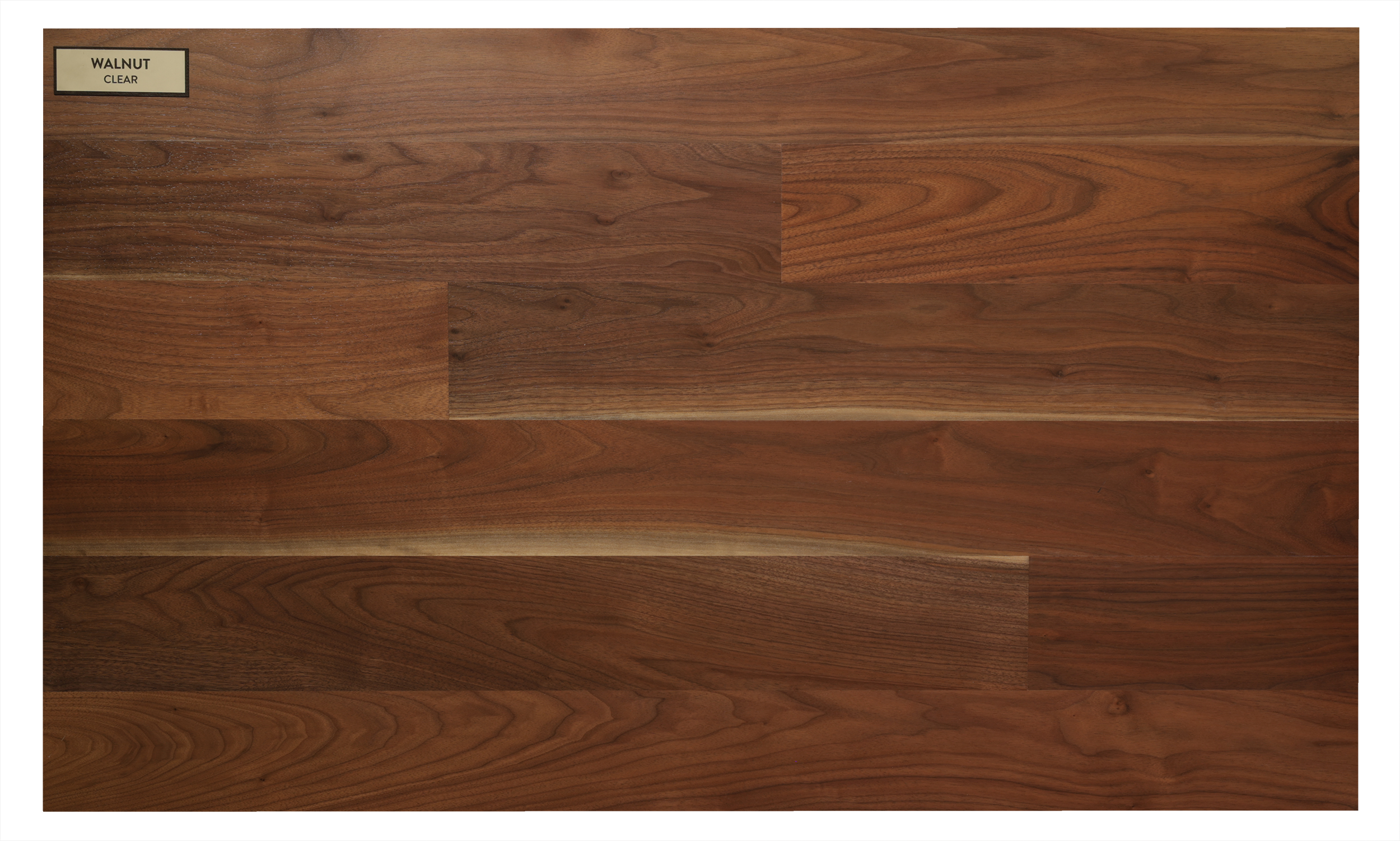
Non-steamed walnut flooring is processed without any heat or moisture treatment to alter its natural color.
What Makes It Different?
The wood is dried and milled in a way that preserves its true, natural appearance.
The result:
- Natural contrast between light sapwood and dark heartwood
- Rich variation in tones (brown, chocolate, amber, and even subtle purples)
- A more authentic, organic look
👉 Non-steamed walnut shows the wood exactly as it grew in nature.
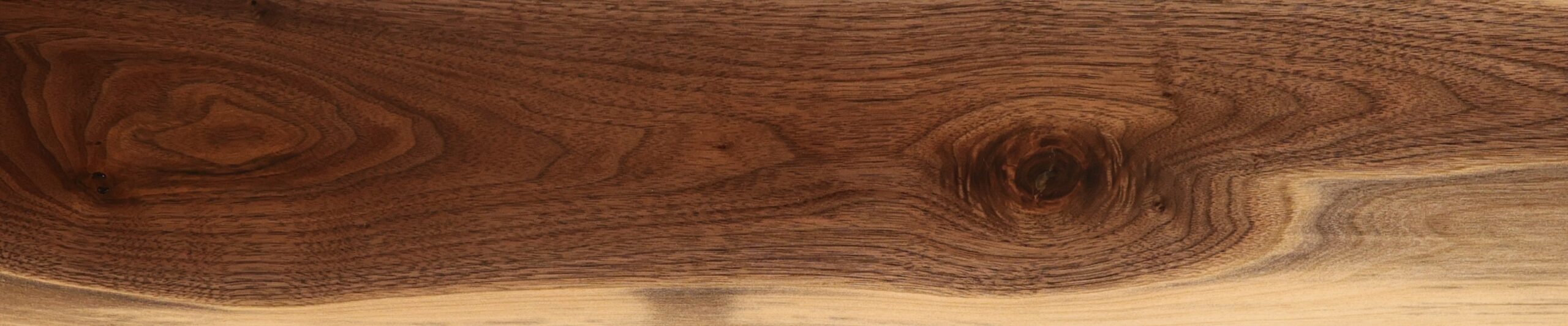
Steamed vs. Non-Steamed Walnut: Key Differences
| Feature | Steamed Walnut Flooring | Non-Steamed Walnut Flooring |
|---|---|---|
| Color | Uniform brown | Natural variation |
| Appearance | Blended, consistent | Rich, high contrast |
| Character | More subtle | More dramatic and unique |
| Processing | Heat + moisture applied | No color-altering process |
| Design Style | Traditional, uniform spaces | Modern, natural, high-end designs |
Why More Homeowners Are Choosing Non-Steamed Walnut
1. More Natural Beauty
Non-steamed walnut highlights the full range of natural tones within each board. Instead of a flat, uniform color, you get depth, movement, and character. This is the look designers and homeowners are increasingly drawn to—authentic and one-of-a-kind.
2. High-End, Custom Appearance
Variation in wood flooring is no longer seen as a flaw—it’s a feature. Non-steamed walnut creates a floor that feels:
- Less manufactured
- More custom
- Visually dynamic
3. Preserves the Wood’s Natural State
Because non-steamed walnut avoids additional heat processing, the wood remains closer to its original condition. While both options are durable, non-steamed walnut is often preferred by those who value minimally altered, natural materials.
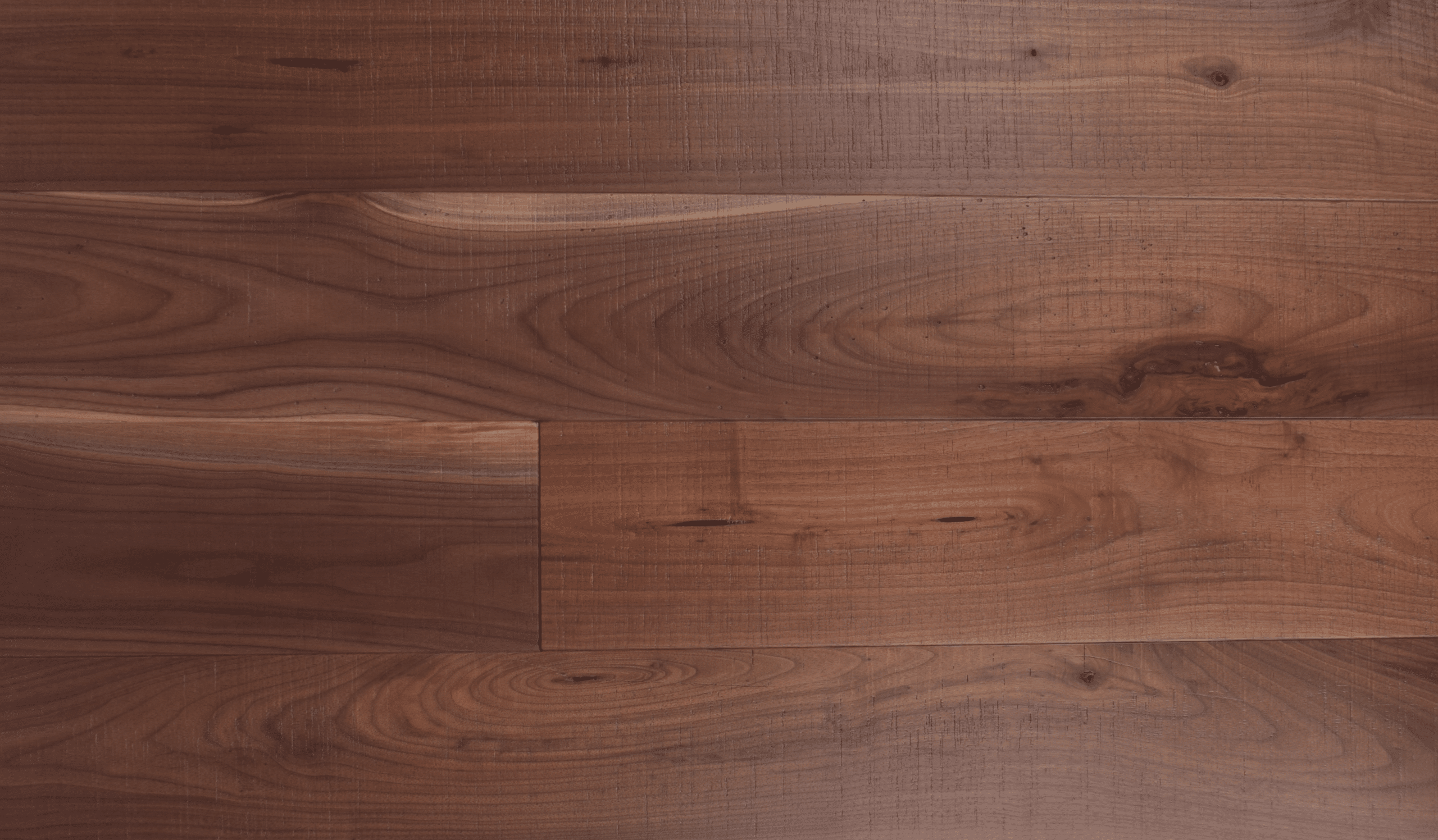
Band Sawn Textured Character Walnut Prefinished Natural
4. Reflects Today’s Design Trends
Modern interiors are shifting toward:
- Natural materials
- Organic textures
- Visible variation
Non-steamed walnut fits perfectly into this trend, especially in wide plank flooring and open-concept homes.
How to Tell the Difference When Shopping
Signs of Steamed Walnut
- Boards look very similar in color
- Minimal contrast between light and dark areas
- Overall even or muted appearance
Signs of Non-Steamed Walnut
- Noticeable variation between boards
- Light and dark tones visible together
- More depth and grain movement
👉 Simple rule: If every board looks the same, it’s likely steamed.
How to Choose High-Quality Walnut Hardwood Flooring
1. Board Selection & Grade
Look for well-balanced variation and consistent quality across boards.
2. Milling Precision
Tightly milled boards ensure a better fit, smoother installation, and long-term performance.
3. Finish Quality
A high-quality finish should enhance the wood’s natural beauty—not hide it.
4. Manufacturer Expertise
Choose a manufacturer that understands walnut and carefully controls its appearance, grading, and production process.
Why Non-Steamed Walnut Is a Premium Choice
While steamed walnut offers consistency, non-steamed walnut flooring is often considered the more premium option because it:
- Showcases the true character of the wood
- Offers a more distinctive, custom look
- Aligns with modern design preferences
- Reflects a more natural, less processed material
Choosing the Right Walnut Flooring for Your Home
Both options have their place—but the right choice depends on your style:
- Prefer a clean, uniform look? → Steamed walnut may be a fit
- Want a natural, high-end, one-of-a-kind floor? → Non-steamed walnut is the better choice
Experience the Natural Beauty of Walnut Flooring
At Sheoga Hardwood Flooring, our non-steamed premium walnut flooring is crafted to highlight the authentic natural beauty, variation, and character that make walnut so unique.
If you’re looking for a hardwood floor that stands out—not blends in—non-steamed walnut is a choice you’ll appreciate for years to come.